
About Us
Skills to Furnish International (SFI) is a training institute registered under Section 21 of the Companies Act of 1973.
SFI registered in 2000 as a non-profit organization promoting and providing accredited training in furniture making. During June 2010, SFI also became a Public Benefit Organisation, meaning that donations of up to ten percent of their taxable income would be tax deductible in the hands of the Donors.
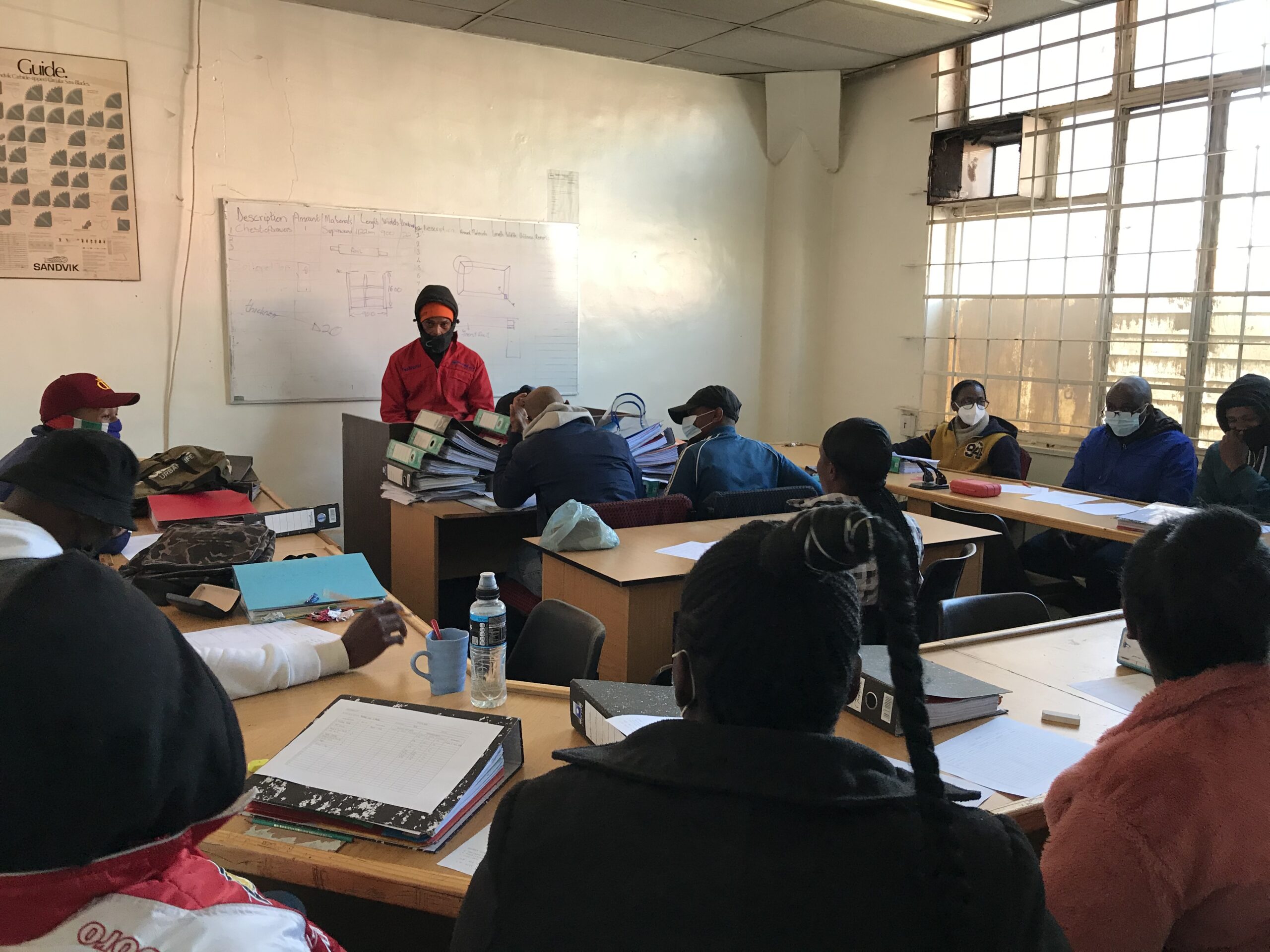
SFI has over the years accumulated the necessary skills base and experience to offer learnerships and skills programmes in the four trade areas i.e. wood machining, cabinet making, wood finishing, and upholstery. SFI is a comprehensively registered and accredited service provider with both the Fibre Processing & Manufacturing Sector (FP&M SETA). Accreditation No: FPM-6-589-111117, Education and Training Authority and the Department of Social Development
NPO-11-178
SFI’s trainers are individually accredited as training facilitators/assessors & Moderators with the National Qualification Framework (NQF). Each of our subject matter specialists are registered trainers, coaches, assessors and moderators. All accredited training leads towards a National Qualification Framework (NQF) certificate.
SFI’s objective as a non-profit service provider is to provide skills training in a holistic developmental approach that encompasses life skills and technical skills training.
SFI have influenced the lives of many young individuals and their families by partnering with employers in creating employment opportunities.
For any enquiries, please feel free to contact us at any time.
The History
SFI registered in 2000 as a non-profit organization promoting and providing accredited training in furniture making.
During June 2010, SFI also became a Public Benefit Organisation, meaning that donations of up to ten percent of their taxable income would be tax deductible in the hands of the Donors. SFI has trained a substantial amount of unemployed people from disadvantaged communities over the past seventeen (17) years. These include women man, youths, and the disabled and retrenched workers. We have trained learners from organizations such as the Usindiso Abused Women’s Shelter, street children from Metro Evangelical Services, people with hearing disabilities from DEAFSA and we have also trained unemployed youth sponsored by both the Department of Social Development and the FP&M SETA. We have also undertaken training projects in formal and informal communities such as Eikenhoff, Reiger Park, Westbury, Polokwane, Bloemfontein, Kimberley, Randfontein, Lanseria Malatji and Mitchell’s Plain in Cape Town. We have been fortunate enough with the assistance of the Employers in the Industry to place eighty percent of the learners into employment in the Industry.